What We Do

Services

Every concrete job we quote, and what's actually involved in each one.

HomeServices

Everything we take on

Every job below is one we do ourselves across Palo Alto.

Concrete Driveways

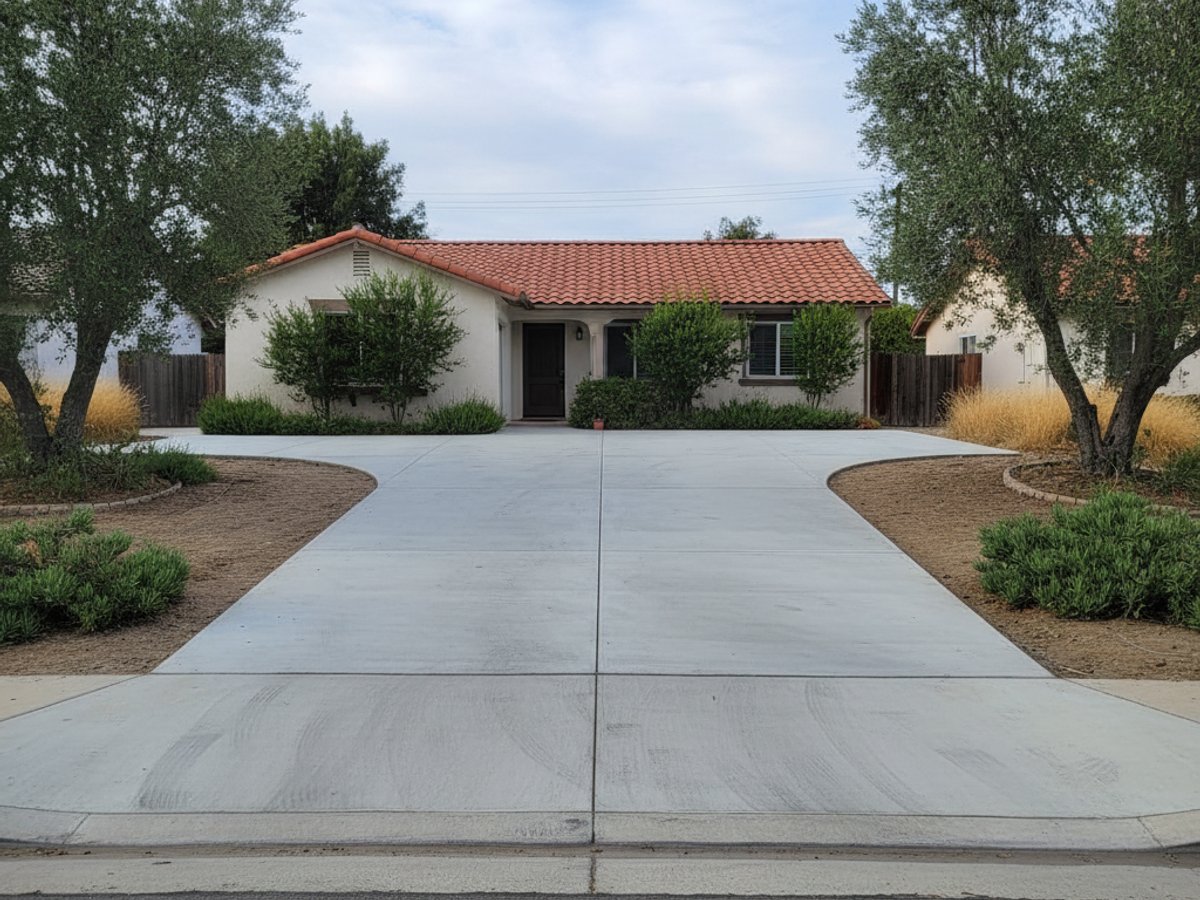
We compact the base rock before any concrete goes down, because a driveway is only as good as what's underneath it. We use rebar on driveways that see regular car and truck weight, not just wire mesh, and we cut control joints within the first day so the slab cracks where we tell it to instead of wherever it wants.

Concrete Patios

Patio slabs get a slight pitch away from the house so water doesn't sit against your foundation. We can finish it broomed, troweled smooth, or with a light exposed aggregate depending on how much slip resistance you want by the pool or the back door.

Stamped Concrete

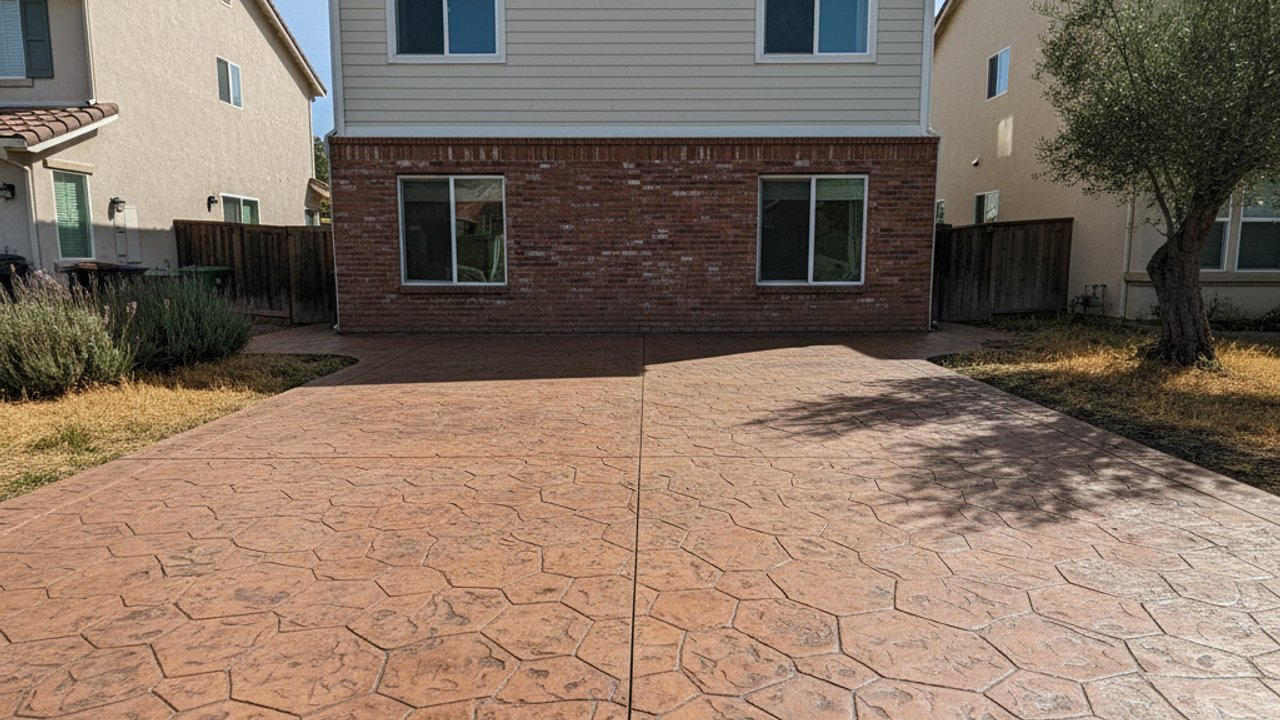
We run a color hardener into the surface before stamping, then a release agent so the pattern lifts cleanly. It costs more than a plain slab but a lot less than real stone, and it seals the same way once it's cured.

Concrete Repair

Not every crack means a new slab. Spalling from old de-icing salt or a heaved section from a tree root can usually be cut out and repoured in sections, and we'll tell you straight if full replacement is actually the cheaper option long term.

Concrete Foundations

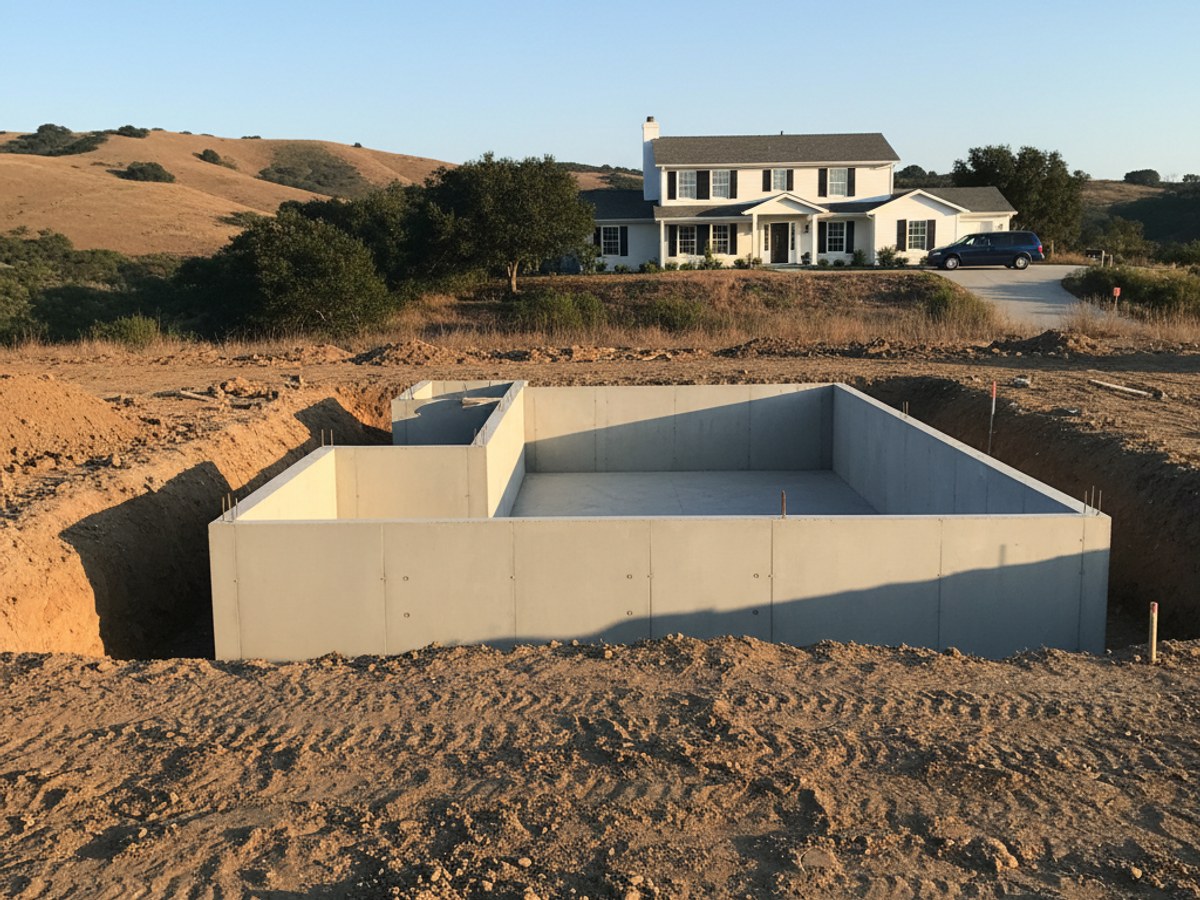
Footings get poured to the depth your soil and the local building department call for, with rebar tied before an inspector ever sees it. We work with clay soils that expand in winter and pull away in summer, which is exactly the kind of ground that punishes a shortcut foundation.

Concrete Steps & Walkways

Steps get poured to a consistent rise and run, because uneven steps are how people trip and how contractors get called back. Walkways get a broom finish for grip and control joints every few feet so hairline cracking stays invisible.

Retaining Walls

A retaining wall lives or dies on drainage. We put gravel and a perforated pipe behind the wall before backfilling, so groundwater has somewhere to go instead of building up pressure against the concrete.

Concrete Slabs

Garage slabs, shed pads and equipment pads all need a vapor barrier under them if you don't want moisture wicking up through the concrete later. We size the thickness and reinforcement to whatever's going to sit on it.

Decorative Concrete

Exposed aggregate, integral color and scored patterns can turn a plain slab into something that looks intentional. We pick the aggregate and the scoring layout with you before the truck ever shows up, since that decision is permanent once it's poured.

Concrete Sealing

A penetrating sealer keeps water and de-icing salt out of the pores of the concrete without leaving it slick. We reseal driveways and patios every couple of years, more often if the slab gets full sun most of the day.

How It Works

Four steps, and no surprises in any of them.

01

We come and look

You tell us what you want doing, we look at what is actually there, and we ask the awkward questions early.

02

You get a price

In writing, itemised, free. If something might add cost later we flag it now rather than at the end.

03

We do the work

Same crew throughout. We cover your floors, keep the dust down and tidy up before we leave each day.

04

We walk it with you

You point out anything you are not happy with and we fix it before the invoice, not after.

Where We Work

All of this, across Palo Alto, CA

We haul forms, base rock and crews to job sites throughout this list.

Palo Alto, CA
San Jose, CA
Fremont, CA
Hayward, CA
Sunnyvale, CA
Santa Clara, CA
San Mateo, CA
Redwood City, CA
Mountain View, CA
Milpitas, CA
Cupertino, CA
Menlo Park, CA
Common Questions

Things worth asking

Questions that come up once a concrete job is actually underway.

Do I need a permit for a new driveway or patio?
Most cities, including Palo Alto, require a permit for new driveway aprons, foundations and retaining walls over a certain height, though a simple patio replacement in the same footprint sometimes doesn't need one. Checking with the local building department before work starts avoids a stop-work order later.
How long does a concrete pour take from start to a usable slab?
The pour itself for a driveway or patio usually takes a single day once forms and base are ready, but the concrete needs at least 24 to 48 hours before foot traffic and about a week before vehicles drive on it. Full cure strength takes closer to 28 days, though the slab is functional well before that.
Can concrete work be scoped to fit a set budget?
Concrete jobs can be adjusted to a budget by changing square footage, finish choice or reinforcement type, and a contractor should say upfront which of those cuts actually save money without weakening the slab. Cutting corners on base compaction or control joints to save money usually costs more later in cracking repairs.
Is concrete work guaranteed?
Reputable concrete contractors warranty their workmanship against defects like improper curing or joint failure, typically for a year or more, separate from any manufacturer warranty on sealers or coloring products. Asking what's covered and getting the warranty terms in writing avoids confusion later.
Who do I deal with day to day once a concrete job starts?
On most residential concrete jobs, a lead or foreman runs the crew day to day and becomes the point of contact once the estimator has handed off the project. Larger commercial jobs sometimes add a project manager on top of that.
How is rebar different from wire mesh in a concrete slab?
Rebar is standard for driveways, foundations and anywhere heavy vehicle loads or expansive clay soil are a factor, since it holds a slab together better if a crack forms. Wire mesh is sometimes used on lighter-duty patios or walkways, though many contractors run rebar across the board now for the small extra cost.
Can I stay living at home during concrete work?
Concrete work is mostly done outdoors and doesn't require residents to move out, though driveway access will be blocked for at least a few days during and after the pour. Patio or backyard work has minimal impact on the interior of the house.
What should I do to prepare the site before a concrete crew arrives?
Clearing the work area of vehicles, furniture, potted plants and sprinkler heads speeds up the job and avoids damage. Marking any buried irrigation lines or utilities ahead of time is also worth doing before excavation starts.
What happens if a problem turns up once the old concrete is broken out?
Breaking out an old slab sometimes reveals a bad subgrade, an old tree root, or a drainage issue that wasn't visible beforehand, which usually means adjusting base prep or adding drainage before repouring. A contractor should explain the added cost and get approval before proceeding rather than surprising you on the final invoice.
How should new concrete be cared for after it's poured?
New concrete should be kept off vehicle traffic for about a week and off foot traffic for a day or two while it cures, and avoiding de-icing salts in the first winter helps prevent surface scaling. Resealing every couple of years protects the surface from stains and freeze-thaw damage.

Not sure what you need?

Describe the problem and we will tell you what it probably is. No obligation.

Call (650) 618-2927